In the earliest days of cricket, bowlers used a gentle, underarm action, rolling the ball along the ground towards the batsman. This technique, similar to lawn bowls, limited the pace and variation of the ball, making batting the dominant skill.
The Pitched Delivery
significant innovation in the 18th century was the introduction of pitching the ball through the air. Bowlers began to toss the ball rather than roll it, allowing for a bounce before it reached the batsman. This created new opportunities for deception, pace, and spin, forcing batsmen to adapt and changing the game.
The Round-Arm Revolution
The next major shift in bowling technique, the round-arm action, is said to have been inspired by a woman whose wide skirts prevented her from bowling underarm. Though initially deemed illegal by the MCC, the rules were eventually amended in 1835, allowing the technique to take hold.
Overhand Bowling
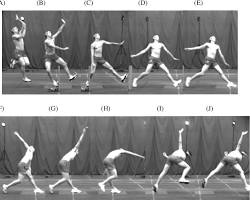
The final and most significant change in bowling technique came when bowlers started to raise their arms above the shoulder. This led to another controversy, but the law was finally changed in 1864 to allow overhand bowling, which dramatically increased the speed and difficulty for batsmen.
Fast Bowling
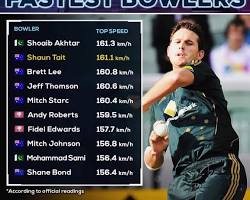
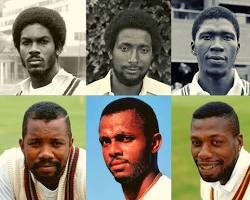
With the ability to bowl overarm, fast bowling, or pace bowling, became a dominant force. Bowlers could now hurl the ball at high speeds, testing the reflexes and courage of batsmen. The development of techniques like “bodyline” highlighted the physical and psychological battles that fast bowlers brought to the game.
The Art of Spin
Alongside fast bowling, the art of spin bowling flourished. Spinners use their wrist and fingers to impart a rotation on the ball, causing it to deviate sharply after pitching. This type of bowling requires immense skill and cunning, as spinners use flight, length, and variation to deceive the batsman.
Seam and Swing
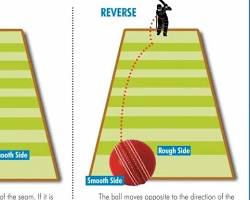
The condition of the cricket ball became a key factor. Seam bowlers exploit the raised stitching of the ball, causing it to move off the pitch after bouncing. Swing bowlers use a combination of the ball’s polished and worn sides, along with air currents, to make it curve in the air before it reaches the batsman.
The Modern Arsenal
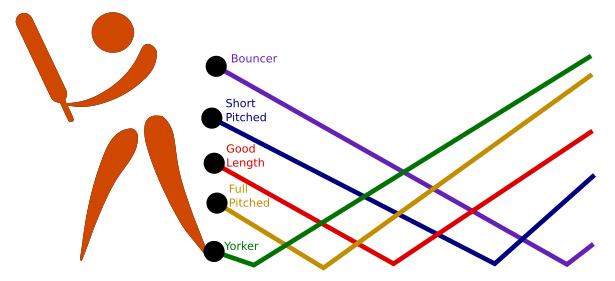
Today, bowlers possess a vast arsenal of deliveries, combining the lessons of history with modern innovation. From the deadly bouncer and the accurate yorker to the deceptive slower ball, modern bowlers constantly seek new ways to outwit batsmen.
A Timeless Battle
From the first underarm rolls to the high-speed overarm deliveries of today, the history of cricket bowling is a story of continuous innovation and a timeless battle between bowler and batsman. The evolution of bowling has been central to the sport’s development, ensuring its status as a captivating and ever-changing game.
The Dawn of Underarm Bowling
In the earliest days of cricket, bowlers used a gentle, underarm action, rolling the ball along the ground towards the batsman. This technique, similar to lawn bowls, limited the pace and variation of the ball, making batting the dominant skill.
The Pitched Delivery
significant innovation in the 18th century was the introduction of pitching the ball through the air. Bowlers began to toss the ball rather than roll it, allowing for a bounce before it reached the batsman. This created new opportunities for deception, pace, and spin, forcing batsmen to adapt and changing the game.
The Round-Arm Revolution
The next major shift in bowling technique, the round-arm action, is said to have been inspired by a woman whose wide skirts prevented her from bowling underarm. Though initially deemed illegal by the MCC, the rules were eventually amended in 1835, allowing the technique to take hold.
Overhand Bowling
The final and most significant change in bowling technique came when bowlers started to raise their arms above the shoulder. This led to another controversy, but the law was finally changed in 1864 to allow overhand bowling, which dramatically increased the speed and difficulty for batsmen.
Fast Bowling
With the ability to bowl overarm, fast bowling, or pace bowling, became a dominant force. Bowlers could now hurl the ball at high speeds, testing the reflexes and courage of batsmen. The development of techniques like “bodyline” highlighted the physical and psychological battles that fast bowlers brought to the game.
The Art of Spin
Alongside fast bowling, the art of spin bowling flourished. Spinners use their wrist and fingers to impart a rotation on the ball, causing it to deviate sharply after pitching. This type of bowling requires immense skill and cunning, as spinners use flight, length, and variation to deceive the batsman.
Seam and Swing
The condition of the cricket ball became a key factor. Seam bowlers exploit the raised stitching of the ball, causing it to move off the pitch after bouncing. Swing bowlers use a combination of the ball’s polished and worn sides, along with air currents, to make it curve in the air before it reaches the batsman.
The Modern Arsenal
Today, bowlers possess a vast arsenal of deliveries, combining the lessons of history with modern innovation. From the deadly bouncer and the accurate yorker to the deceptive slower ball, modern bowlers constantly seek new ways to outwit batsmen.
A Timeless Battle
From the first underarm rolls to the high-speed overarm deliveries of today, the history of cricket bowling is a story of continuous innovation and a timeless battle between bowler and batsman. The evolution of bowling has been central to the sport’s development, ensuring its status as a captivating and ever-changing game.